10 Best Straight Valves for Global Buyers?

Choosing the right straight valves can shape the safety, cost, and service life of an entire fluid system. Global buyers often compare price first, but that approach can create expensive problems later. A valve that works well in clean water may perform poorly with steam, chemicals, oil, or abrasive liquids. Pressure rating, temperature range, body material, connection type, and sealing design deserve equal attention.

This guide reviews 10 best straight valves for global buyers, based on practical selection factors rather than marketing claims. It considers stainless steel, brass, carbon steel, and engineered plastic options. It also examines threaded, flanged, socket-weld, and other common connections. Details matter. A mismatched thread can leak. A weak actuator can slow production. A poor seal may fail after repeated thermal cycles. These are small points until they stop a line.

The recommendations are intended for industrial purchasers, engineers, distributors, and maintenance teams. They reflect widely used engineering practices, but no universal choice exists. Local codes, operating conditions, certifications, and supplier quality must still be checked. Product data sheets should be compared with real installation requirements. Sometimes, the most expensive valve is not the safest choice. Sometimes, the cheapest one becomes the costliest. That judgment is not always simple. Buyers should request traceable test records, material certificates, warranty terms, and replacement support before ordering. This review may not cover every regional preference, and that limitation matters. Reliable purchasing requires both technical evidence and careful questioning.

10 Best Straight Valves for Global Buyers?

What Is a Straight Valve and How Does It Work?

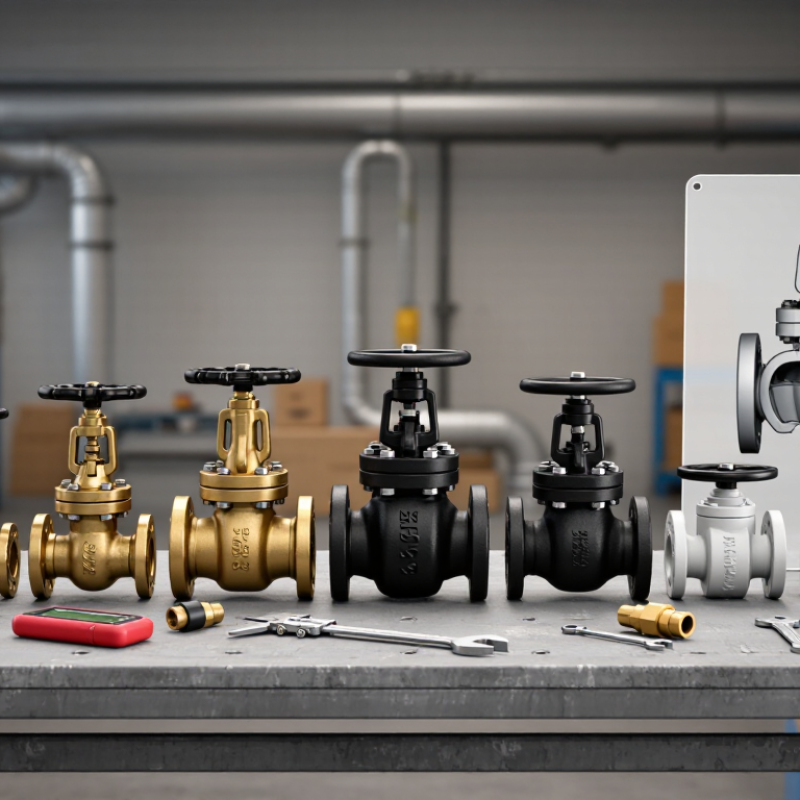
A straight valve is a valve with inlet and outlet ports arranged in a direct line. This layout helps pipelines maintain a clean, uncomplicated flow path. However, “straight valve” describes the body design, not one operating principle. A ball valve uses a rotating bore. A gate valve lifts a wedge or slab. A globe valve moves a plug toward a seat. Each design controls pressure, flow speed, and maintenance needs differently.

When the valve opens, an actuator moves the internal closure element away from the seat. Fluid then passes through the body and continues along the pipe axis. When the valve closes, the element presses against a sealing surface and blocks the passage. A lever suits quick quarter-turn operation. A handwheel offers slower, more controlled movement. In a plant inspection, technicians check the stem, packing, bolts, and seat area for leakage or corrosion. Small problems matter.

Straight valves can reduce layout complexity.

Selection requires more than matching pipe diameter. Buyers should verify the medium, operating temperature, pressure rating, connection standard, body material, and seal compatibility. Stainless steel may suit corrosive service, while other alloys can handle higher temperatures. Threaded ends simplify smaller installations. Flanged ends support larger industrial lines. The term is not perfectly standardized across suppliers, so technical drawings and test documents deserve careful review. A common mistake is choosing by size alone. Real performance also depends on flow direction, installation space, cycling frequency, and maintenance access. Internal standards may differ between regions, creating avoidable replacement problems.

10 Best Straight Valves for Global Buyers? - What Is a Straight Valve and How Does It Work?
A straight valve is an in-line valve designed to keep the inlet and outlet flow path substantially aligned. Depending on the design, the valve may provide isolation, throttling, or non-return service. The specifications below are typical industry ranges for comparison only; the final selection should be verified against the applicable fluid, pressure class, temperature, standards, and manufacturer data sheet.
Rank Valve Type Typical Size Range Typical Pressure Rating Typical Temperature Range Flow-Path Design Main Function Flow Resistance Best-Suited Applications Common Materials Common End Connections Key Limitation Common Reference Standards
1 Full-Port Floating Ball Valve DN15–DN600
NPS 1/2–24
PN16–PN100
Class 150–600
Approximately −46°C to 200°C Full-bore straight-through passage when open Fast, tight shutoff and isolation Very low when fully open Water, hydrocarbons, natural gas, compressed air, and general process lines requiring frequent operation Carbon steel, stainless steel, duplex stainless steel; PTFE or reinforced polymer seats Threaded, socket-weld, butt-weld, flanged Not normally recommended for continuous throttling; soft seats may be limited by temperature or abrasive solids ISO 17292, API 608, API 6D, ISO 5208
2 Trunnion-Mounted Ball Valve DN50–DN1200
NPS 2–48
PN16–PN420
Class 150–2500
Approximately −46°C to 200°C, depending on seat material Full or reduced straight-through bore supported by a fixed trunnion High-pressure isolation and pipeline shutoff Very low when fully open Long-distance pipelines, terminals, gas transmission, oil processing, and high-pressure process systems Carbon steel, low-temperature carbon steel, stainless steel; metal or polymer seats Flanged, butt-weld, hub-end Larger and more costly than floating designs; seat suitability must be checked for abrasive or high-temperature service API 6D, ISO 14313, ISO 17292, ISO 5208
3 Resilient-Seated Gate Valve DN50–DN1200
NPS 2–48
PN10–PN25 Approximately −10°C to 80°C for common EPDM water-service seats Full straight bore with a wedge moving vertically out of the flow On/off isolation Very low when fully open Potable water, irrigation, wastewater, fire-protection systems, and municipal distribution networks Ductile iron, cast iron, carbon steel; EPDM or elastomer-coated wedge Flanged, grooved, mechanical-joint, threaded Slow operation and unsuitable for routine throttling; elastomer temperature and chemical compatibility are critical EN 1074-2, EN 1171, AWWA C509, AWWA C515
4 Metal-Seated Gate Valve DN50–DN1500
NPS 2–60
PN16–PN420
Class 150–2500
Approximately −29°C to 550°C, depending on trim and body material Full straight-through passage with a wedge or parallel gate High-temperature and high-pressure isolation Very low when fully open Steam, power generation, refinery, petrochemical, and high-temperature process services Carbon steel, alloy steel, stainless steel; stainless or hard-faced trim Flanged, butt-weld, socket-weld Large and heavy; slower than quarter-turn valves and vulnerable to seat damage if used for throttling API 600, API 602, API 603, ASME B16.34, ISO 10434
5 Straight-Pattern Globe Valve DN15–DN400
NPS 1/2–16
PN16–PN100
Class 150–600
Approximately −29°C to 400°C, depending on construction In-line body with a guided disc moving toward or away from the seat Flow regulation, throttling, and isolation Moderate to high Steam, cooling water, process control, boiler feedwater, and applications requiring repeatable flow adjustment Bronze, cast steel, carbon steel, stainless steel; metallic or soft seat options Threaded, socket-weld, butt-weld, flanged Higher pressure loss and larger actuator force than many quarter-turn valves API 623, BS 1873, ASME B16.34, ISO 5208
6 Swing Check Valve DN50–DN1200
NPS 2–48
PN10–PN100
Class 150–600
Approximately −29°C to 400°C, depending on seat and body materials In-line passage with a hinged disc that swings open in the forward-flow direction Prevention of reverse flow Low to moderate Water systems, pumps, compressors, pipelines, steam, and general process piping with stable flow Ductile iron, cast steel, carbon steel, stainless steel; metal or elastomer seats Wafer, lug, flanged, butt-weld May slam or create water hammer when flow reverses rapidly; installation orientation is important API 594, API 6D, EN 12334, ASME B16.34
7 Lift Check Valve DN15–DN300
NPS 1/2–12
PN16–PN100
Class 150–600
Approximately −29°C to 400°C, depending on materials In-line passage with a disc or piston lifted vertically from the seat Non-return protection in compact piping Moderate Steam, gas, clean liquids, compressor discharge, and high-pressure piping where backflow prevention is required Forged carbon steel, alloy steel, stainless steel; metallic or soft seats Threaded, socket-weld, flanged Requires sufficient forward pressure; generally unsuitable for dirty, viscous, or heavily solids-laden fluids API 602, API 594, ASME B16.34, ISO 15761
8 Concentric Butterfly Valve DN50–DN2000
NPS 2–80
PN6–PN25
Class 150
Approximately −40°C to 150°C, depending on liner material Thin disc rotates on the central shaft within a straight pipe bore Isolation and moderate throttling Low when fully open; increases during modulation HVAC, water treatment, cooling water, fire protection, air, and low-to-medium pressure utilities Ductile iron, cast iron, carbon steel, stainless steel; EPDM, NBR, PTFE, or fluoropolymer liners Wafer, lug, flanged, grooved Disc remains in the flow path and may reduce capacity; liner compatibility limits temperature and chemical resistance API 609, EN 593, ISO 10631, AWWA C504
9 Double-Eccentric Butterfly Valve DN100–DN2000
NPS 4–80
PN10–PN40
Class 150–300
Approximately −40°C to 250°C, depending on seat and packing design Offset disc and shaft reduce seat contact during opening Isolation and controlled flow with improved seat durability Low when fully open Large-diameter water lines, cooling systems, seawater, HVAC, and selected process applications Carbon steel, ductile iron, stainless steel; elastomer, PTFE, or metal seats Wafer, lug, flanged Not ideal for severe cavitation, extreme abrasive service, or very high-pressure classes without special design API 609, EN 593, ISO 10631, AWWA C504
10 Lubricated Plug Valve DN50–DN900
NPS 2–36
PN16–PN100
Class 150–600
Approximately −29°C to 300°C, depending on lubricant, trim, and body material Straight cylindrical or tapered port rotates through the body Isolation, flow diversion, and selected throttling duties Low when fully open Oil and gas, refinery, chemical processing, dirty fluids, and services requiring robust shutoff Carbon steel, alloy steel, stainless steel; metallic plug and body sealing surfaces Flanged, butt-weld, threaded Can require periodic lubrication and relatively high operating torque; not suitable for every abrasive or corrosive medium API 599, API 6D, ASME B16.34, ISO 14313

Key Factors for Comparing Straight Valves Worldwide

For global buyers, comparing straight valves starts with duty, not appearance. A compact body may fit a crowded skid, yet internal flow losses still matter. Check media, pressure, temperature, cycle frequency, and connection size before reviewing quotations. A valve for clean water may fail quickly with abrasive slurry. That lesson is easy to overlook. In field work, I have seen drawings list nominal size but omit operating pressure. That gap can distort every comparison.

Material selection deserves evidence. Stainless steel, ductile iron, carbon steel, and engineered plastics suit different fluids and temperatures. Ask for body, stem, seat, and seal specifications separately. Seat compatibility often decides service life. Review pressure ratings at the actual temperature, not at room conditions. Request dimensional drawings, inspection records, calibration details, and tested leakage results. Reliable suppliers should explain test methods and provide traceable certificates. Documents matter.

Worldwide purchasing adds practical risks. Compare thread or flange standards, actuator interfaces, spare-part availability, packaging, and delivery routes. Confirm whether dimensions match local installation tools. A low purchase price can become expensive after adapters, customs delays, or emergency replacements. I would also compare warranty terms, language support, and response time. However, no checklist is perfect. Real operating data may be incomplete, and supplier documents can look impressive without proving field performance. A pilot order, sample inspection, and independent verification can expose those weaknesses before a large shipment is approved.

Top 10 Straight Valves for Different Industrial Applications

10 Best Straight Valves for Global Buyers

Straight-pattern valves support many industrial systems, from clean water lines to demanding process pipelines. In field inspections, I have seen small sizing errors create large pressure losses. The right choice depends on flow control, temperature, pressure, and maintenance access. No valve is best for every service.

A straight-through gate valve suits isolation in water, oil, and utility pipelines. A globe valve provides more precise throttling for steam and process fluids. A ball valve offers fast shutoff and low resistance in gas, chemical, and compressed-air lines. A butterfly valve saves space in large-diameter systems. A plug valve handles dirty fluids and frequent cycling. A check valve prevents reverse flow in pumps and discharge lines. A diaphragm valve protects sensitive fluids from metal contact. A needle valve supports fine adjustment in instrumentation systems. A piston valve performs well in high-pressure steam service. A pinch valve suits abrasive slurries and wastewater.

Material compatibility needs careful review. Stainless steel may resist corrosion, but it is not suitable for every chemical. Seal selection matters at temperature extremes. Actuated valves also require correct torque calculations and safe control integration. Buyers should verify pressure ratings, connection standards, leakage tests, and inspection records. A cheaper valve can become expensive after repeated repairs. I would also question catalog claims without test evidence. Local operating conditions are often messier than specifications suggest.

10 Best Straight Valves for Global Buyers

Comparison of common straight-through valve types by typical suitability for industrial isolation, flow control, and demanding service conditions. Scores are engineering-based application indicators from 1 (limited suitability) to 10 (excellent suitability), not manufacturer ratings.

How to read the chart: Gate, ball, butterfly, plug, and knife gate valves generally perform well for isolation duties. Globe, needle, and diaphragm valves are better suited to flow regulation, while check valves are designed for preventing reverse flow rather than manual control.

Global Standards, Materials, Sizes, and Connection Options

10 Best Straight Valves for Global Buyers?

Global valve selection starts with standards, not catalog photos. Grand View Research estimated the industrial valves market at about USD 78 billion in 2023, with steady growth expected through 2030. This expansion increases choice, but also creates specification confusion. A reliable straight valve should match recognized standards, pressure classes, temperature limits, and local installation practices. API 608 commonly supports metal ball valves, while ASME B16.10 defines face-to-face dimensions. ISO 5211 helps coordinate actuator mounting.

Materials must reflect the service. Carbon steel, such as ASTM A216 WCB, suits many water, steam, and oil applications. Stainless steel grades, including ASTM A351 CF8M, offer stronger resistance to chlorides and corrosive fluids. Ductile iron can reduce cost in lower-risk water systems. It still needs careful coating and pressure review. Small lines often use threaded ends under ISO 7-1. Larger systems usually need flanged connections under ASME B16.5 or EN 1092-1. Butt-weld and socket-weld ends provide compact, leak-resistant installations.

Size selection deserves more attention. DN15 may fit an instrument branch, while DN300 can serve a major process line. Oversizing may reduce velocity but increase cost and operating problems. Undersizing creates pressure loss. It is not always obvious. My practical lesson is simple: verify the medium, pressure, temperature, flow rate, and regional standard before comparing the ten best options. Reports from the International Energy Agency also show rising investment in energy infrastructure, yet project specifications remain inconsistent across regions. A careful review is still necessary.

How to Select the Best Straight Valve for Your Market

How to Select the Best Straight Valve for Your Market

A straight valve should match the medium, pressure, temperature, and local installation habits. Do not select by diameter alone. Water, steam, compressed air, and chemicals demand different body materials and seals. The WHO/UNICEF Joint Monitoring Programme reported that 2.2 billion people lacked safely managed drinking water in 2022. This figure shows why dependable water-service valves matter in developing and established markets.

Check the working pressure before comparing prices. Ask for pressure-test records based on ISO 5208 and design information aligned with ASME B16.34, where applicable. For coastal projects, stainless steel or suitable coated alloys can reduce corrosion risk. In dusty regions, a protected stem and clear position indicator help maintenance teams. A valve that works well in a factory may fail beside a sandy road. Field experience often reveals this gap.

Market conditions also affect the best choice. The International Energy Agency’s World Energy Investment 2024 report estimated global clean-energy investment would exceed 2 trillion dollars. Renewable plants, storage systems, and water infrastructure need valves with traceable materials and stable sealing performance. Request certificates, batch numbers, spare-part details, and realistic delivery dates. I have seen buyers overlook spare seals to save a small amount upfront. That decision can create weeks of downtime. Still, data sheets are not perfect. Test the valve with the actual fluid whenever possible, because laboratory assumptions may not reflect site conditions.

Top