Why Are Flow Valves Essential for Industrial Systems?

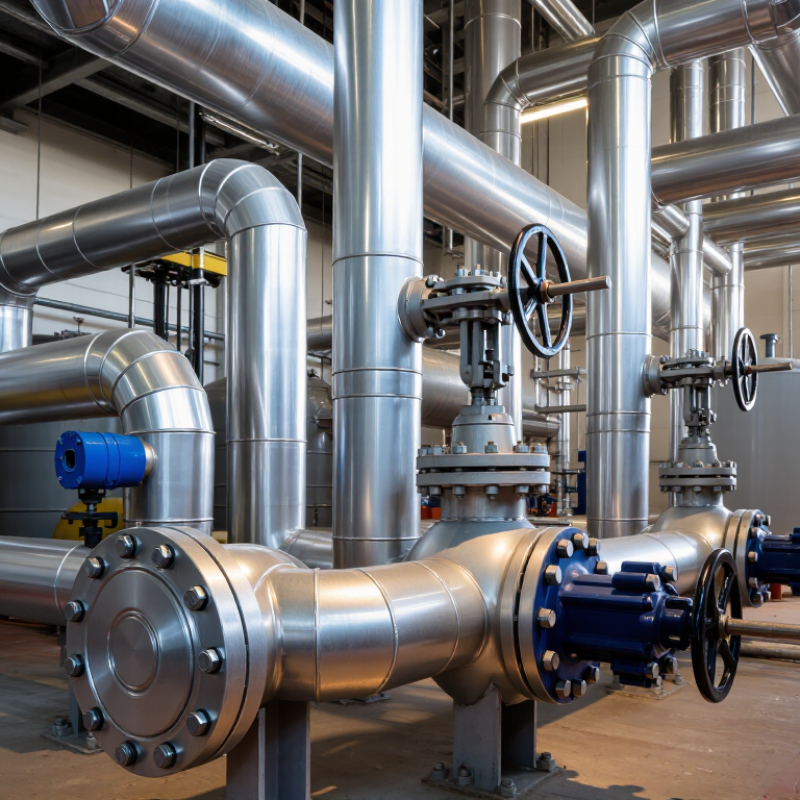
Flow valves rarely attract attention when an industrial line is running smoothly. Yet behind a steady pressure gauge, a cooling loop, or a cleanly filled tank, they help regulate how liquids and gases move. Their job is practical: control flow, pressure, and direction so equipment can operate within its intended range. Small changes matter. A valve that opens too slowly may disrupt a batch; one selected poorly may waste energy or wear early.

Process-control author Béla G. Lipták’s work emphasizes matching control action to process needs. A useful paraphrase of that principle is: “A valve performs well only when its sizing and response suit the system.” This is a paraphrase, not a verbatim quotation. It points to an important distinction: installing a valve is not the same as selecting the right one. Engineers must consider fluid properties, operating pressure, temperature, materials, and the required response. A stainless-steel valve handling hot water, for example, faces different demands from one metering a viscous chemical.

The details can be imperfect. Real systems age, sensors drift, and operating conditions change. Flow valves cannot correct every design flaw, and even a well-chosen valve needs inspection and maintenance. That is worth remembering. Understanding their role helps plant teams make safer, more reliable decisions—and ask better questions about performance, efficiency, and long-term upkeep.

Why Are Flow Valves Essential for Industrial Systems?

What Flow Valves Are and How They Regulate Fluid Movement

Flow valves are devices that control how liquids or gases move through pipes. They can start or stop flow, adjust its rate, or direct it along a different route. Common designs include globe, gate, ball, and butterfly valves. Each handles pressure, temperature, and flow conditions differently. A valve is not simply an on-off switch.

Inside an industrial system, a valve changes the opening available to the fluid. A smaller opening can reduce flow; a larger one allows more fluid through. Some valves are adjusted by hand, while control valves respond to signals from sensors or process controls. For example, a temperature sensor may prompt a valve to admit more cooling water. Choosing the right valve depends on the fluid, operating conditions, and required precision. No valve is perfect. Wear, deposits, or incorrect settings can affect performance, and even experienced teams need to review operating data.

Tips: Check valves for leaks, unusual vibration, and difficult movement during routine inspections. Confirm that the valve suits the fluid and pressure conditions. Record adjustments and maintenance; small details can reveal a developing problem.

Why Are Flow Valves Essential for Industrial Systems? — What Flow Valves Are and How They Regulate Fluid Movement

Valve Type How It Regulates Fluid Movement Common Industrial Uses Important Operating Considerations
Gate Valve A gate moves across the flow path to provide open or closed service. When fully open, it typically offers a relatively direct flow path. Isolation in water lines, utility piping, and process systems. Generally intended for fully open or fully closed operation, rather than routine throttling, which can cause wear or vibration.
Globe Valve A movable plug changes the size of the flow passage, allowing flow to be adjusted over a range of positions. Flow adjustment in process, cooling-water, and steam systems. Useful for throttling, but its flow path typically creates more pressure drop than a straight-through design.
Ball Valve A drilled ball rotates to align its opening with the pipe or block the passage. Some designs also support flow adjustment. On/off isolation in liquid, gas, and utility services. Standard full-port designs are commonly used for isolation. Suitability for throttling depends on the valve design and service conditions.
Butterfly Valve A disc rotates within the pipe to open, restrict, or close the flow path. Large-diameter water, air, and low-pressure process lines. Compact and lightweight compared with many larger valves. Performance depends on disc design, materials, pressure, and temperature.
Needle Valve A tapered stem moves gradually into a small seat opening, enabling fine adjustment of relatively low flow rates. Instrument lines, sampling points, and metering applications. Designed for precise adjustment in small passages; it is not generally selected for high-flow service.
Diaphragm Valve A flexible diaphragm moves toward or away from a weir or seat to control flow while separating the operating mechanism from the fluid. Corrosive, slurry, and hygienic process services when suitable materials are selected. Diaphragm and body materials must be compatible with the fluid, operating temperature, and pressure.
Check Valve Opens when flow moves in the intended direction and closes when flow reverses, helping prevent backflow. Pump discharge lines and systems where reverse flow could damage equipment or disrupt operation. Operates automatically in response to flow conditions; correct orientation and suitable closing characteristics are important.
Control Valve A modulating element changes position in response to a controller or actuator signal to help maintain a target flow, pressure, level, or temperature. Automated process control in chemical, energy, water-treatment, and manufacturing systems. Valve sizing and trim selection should account for the fluid, required flow range, pressure drop, and control objectives.
Factors That Affect Flow Flow through a valve is influenced by its opening, valve geometry, pressure difference, and fluid properties such as density and viscosity. Relevant to valve selection, system design, and troubleshooting across industrial applications. A valve’s actual performance depends on the complete system; operating conditions and manufacturer-rated data should be reviewed during selection.

Common Types of Flow Valves in Industrial Systems

Industrial flow valves perform different jobs, and choosing by pipe size alone is risky. Gate valves provide a relatively clear path when fully open, making them useful for isolation rather than frequent throttling. Globe valves offer finer flow adjustment, though their more restrictive path can increase pressure loss. Ball valves open and close quickly with a quarter-turn; butterfly valves suit many larger, space-limited lines. Check valves work automatically, stopping reverse flow that could damage pumps or disrupt a process. Small details matter.

Control valves are designed to vary flow in response to operating signals, often through an actuator. Their sizing should reflect the fluid, pressure range, temperature, and required control accuracy—not just the nominal pipe diameter. The U.S. Department of Energy’s Pumping System Tip Sheet #1 reports that pumping systems account for nearly 20% of global electricity demand and 25–50% of energy use in some industrial operations. That figure is not a valve-savings estimate, but it shows why needless throttling deserves attention. In practice, a correctly selected valve can support stable operation; a poor match may cause noise, vibration, erosion, or uneven control. A data sheet helps, but it cannot replace checking actual site conditions.

How Flow Valves Support Process Control and Equipment Protection

Flow valves help operators regulate how quickly liquids or gases move through a process. A small adjustment can stabilize temperature, pressure, or product flow. In a heating line, for example, a valve can limit hot-water flow when a sensor detects rising temperatures. Small changes matter. They can reduce process swings and help keep equipment within its intended operating range.

Good control also protects pumps, pipes, and heat exchangers from avoidable strain. A valve that closes too quickly may cause a pressure surge, while poor sizing can create noisy flow or vibration. Selecting a valve means considering the fluid, operating pressure, temperature, and expected flow range. Routine checks matter too. Operators can watch for leaks, unusual sounds, sluggish movement, or readings that drift from normal. Not every fluctuation points to a faulty valve; sensors or changing process conditions may be involved. Still, documenting adjustments and inspection findings gives maintenance teams useful evidence. It is easy to overlook this step during a busy shift.

Why Are Flow Valves Essential for Industrial Systems?

Flow valves regulate process flow and help protect equipment by keeping operating conditions within required limits.

Illustrative normalized inherent valve characteristics. The equal-percentage curve assumes a 50:1 rangeability; actual installed performance varies with the system and valve sizing.

Key Factors in Selecting a Flow Valve for an Application

Why Are Flow Valves Essential for Industrial Systems?
Key Factors in Selecting a Flow Valve for an Application

Selecting a flow valve starts with the process, not the pipe size. Record minimum, normal, and peak flow rates. A valve sized only for peak demand may perform poorly during routine production. That matters. Note inlet and outlet pressure, temperature swings, and whether the fluid contains solids or bubbles. A warm, viscous liquid behaves differently from clean water.

Material compatibility deserves close attention. Check the body, trim, and seal materials against the fluid and operating temperature. Corrosion can begin where operators cannot see it. For slurry service, consider erosion and whether the passage can be cleaned. Specify the required function, too: isolation, throttling, or stable adjustment. A technically suitable valve may still be awkward to maintain.

Actuation also matters. Match the actuator and control signal to available utilities and response needs. Consider the fail position during power or air loss, access for inspection, and replacement-part availability. Leave room around the valve for tools and safe removal; drawings often look more generous than the installed pipe rack. This is easy to miss. Ask for documented pressure-drop and operating limits, then verify them against site conditions. Selection is rarely perfect on paper, especially when process data is incomplete.

Inspection and Maintenance Practices for Reliable Valve Performance

Why Are Flow Valves Essential for Industrial Systems?

Reliable flow control depends on valves that move smoothly, seal properly, and respond consistently. During inspections, check for external leaks, corrosion, unusual vibration, and slow actuator movement. A small leak can be easy to miss. Yet it may signal worn packing, a damaged seat, or unstable operating conditions. Compare readings with the valve’s normal pressure and flow range, not just with last week’s notes.

Tips: Listen near joints for hissing, and inspect for fresh residue or moisture. Keep brief records.

The U.S. Department of Energy’s Improving Compressed Air System Performance: A Sourcebook for Industry reports that leaks can waste 20–30% of compressor output in poorly maintained systems. It says well-maintained systems should keep leakage below 10%. These figures describe compressed-air systems overall, not valves alone, but valve and connection leaks can contribute. Use suitable leak-detection methods and inspect pneumatic control lines alongside the valve body.

Set inspection intervals according to service conditions, fluid, temperature, and cycling frequency. Check seals and fasteners during planned shutdowns, and verify actuator response after maintenance. If a valve sticks, record when and under what conditions it happens before changing settings. A checklist helps, though it cannot replace judgment; unusual wear may deserve a closer look even when readings seem normal.

Top